

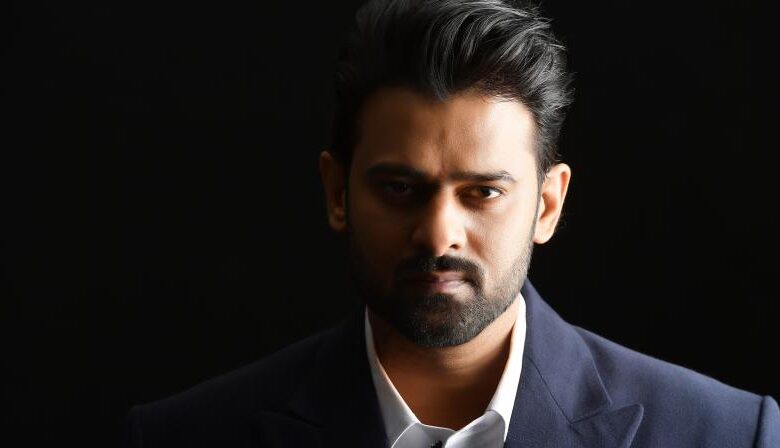
Raja Saab arrives with the promise of star power and spectacle, yet ends up revealing a worrying lack of artistic intent. What should have been an engaging mainstream entertainer instead feels like a project assembled out of obligation rather than passion. The film struggles not because of ambition, but because it appears unsure of why it exists in the first place.
The opening portion is especially testing. Rather than establishing intrigue or emotional investment, it falls back on formula-driven scenarios that have been recycled for decades. The narrative drifts along familiar paths without attempting to refresh or reinterpret them. Female roles are written with startling indifference, confined to ornamental presence and superficial gestures. Their inclusion seems more contractual than creative, and they are afforded neither individuality nor narrative significance. In an era where audiences expect progress, such representation feels regressive and careless.
As the film progresses, a shift occurs, not in energy, but in intention. Beneath the clutter of routine scenes lies a far more interesting concept centred on mental struggle and personal awakening. This element briefly surfaces in the latter stages, offering glimpses of emotional weight and thematic substance. Sadly, by the time this thread gains clarity, the film has already exhausted much of the viewer’s patience. What should have been the foundation of the screenplay is instead relegated to a supporting role, leaving the overall structure feeling unbalanced and incomplete.
This imbalance is mirrored in the performances. There is a noticeable absence of immersion, particularly from the lead. Acting here feels mechanical, as though presence alone is expected to carry scenes forward. Cinema history is filled with examples of actors who balanced heavy workloads while still delivering sincerity and dedication. When modern stars appear disengaged despite fewer commitments, it reflects a troubling shift in priorities. Audiences can sense when effort is missing, and Raja Saab makes that absence difficult to ignore.
The technical execution further compounds the issue. Visual effects are deployed excessively and without finesse, often drawing attention for the wrong reasons. Instead of enhancing action or spectacle, digital manipulation becomes a distraction, breaking immersion entirely. The artificiality is so apparent that it undermines the credibility of entire sequences. At a time when realism and physical performance are being celebrated across industries, such dependence on crude visual shortcuts feels outdated and uninspired.
More than anything, the film highlights a growing disconnect between creators and consumers. Cinema is a shared experience built on trust, trust that the audience’s time, money and emotional investment are valued. Raja Saab gives the impression that this trust has been taken for granted. The film does not fail because it aims too high, but because it settles for mediocrity while possessing the resources to do far better.
There is also a broader cultural discomfort woven into the film’s reception. When industries become inward-looking, driven by hierarchy rather than merit, stagnation follows. Telugu cinema has repeatedly demonstrated its capacity for innovation and excellence, which makes projects like this all the more disappointing. They signal not a lack of talent, but a lack of accountability.
Ultimately, Raja Saab is less an outright disaster and more a cautionary example. It reminds us that cinema cannot survive on reputation, status or visual noise alone. Without conviction, discipline and respect for storytelling, even the most marketable films risk becoming hollow exercises. For viewers who cherish the medium, or simply expect honesty in exchange for their ticket, this film offers little justification for its existence.


